Can Employees Tell They’re Being Monitored? Key Signs
Daichi Yamamoto
Mar 11, 2026

Introduction
Employee monitoring is no longer rare. From remote work tools to in-office security systems, monitoring has become part of how many organizations manage productivity, security, and compliance. The real question isn’t whether monitoring exists — but whether employees can tell it’s happening.
In most cases, they can. And the signs are often subtle: changes in communication, sudden shifts in behavior, or systems that feel “smarter” than before. Understanding these signs matters for leaders and HR teams because perceived monitoring can either build trust — or quietly erode it. This article breaks down the most common indicators employees notice, why those signals appear, and how organizations can approach monitoring in a transparent, ethical way.
Behavioral changes are often the first signal
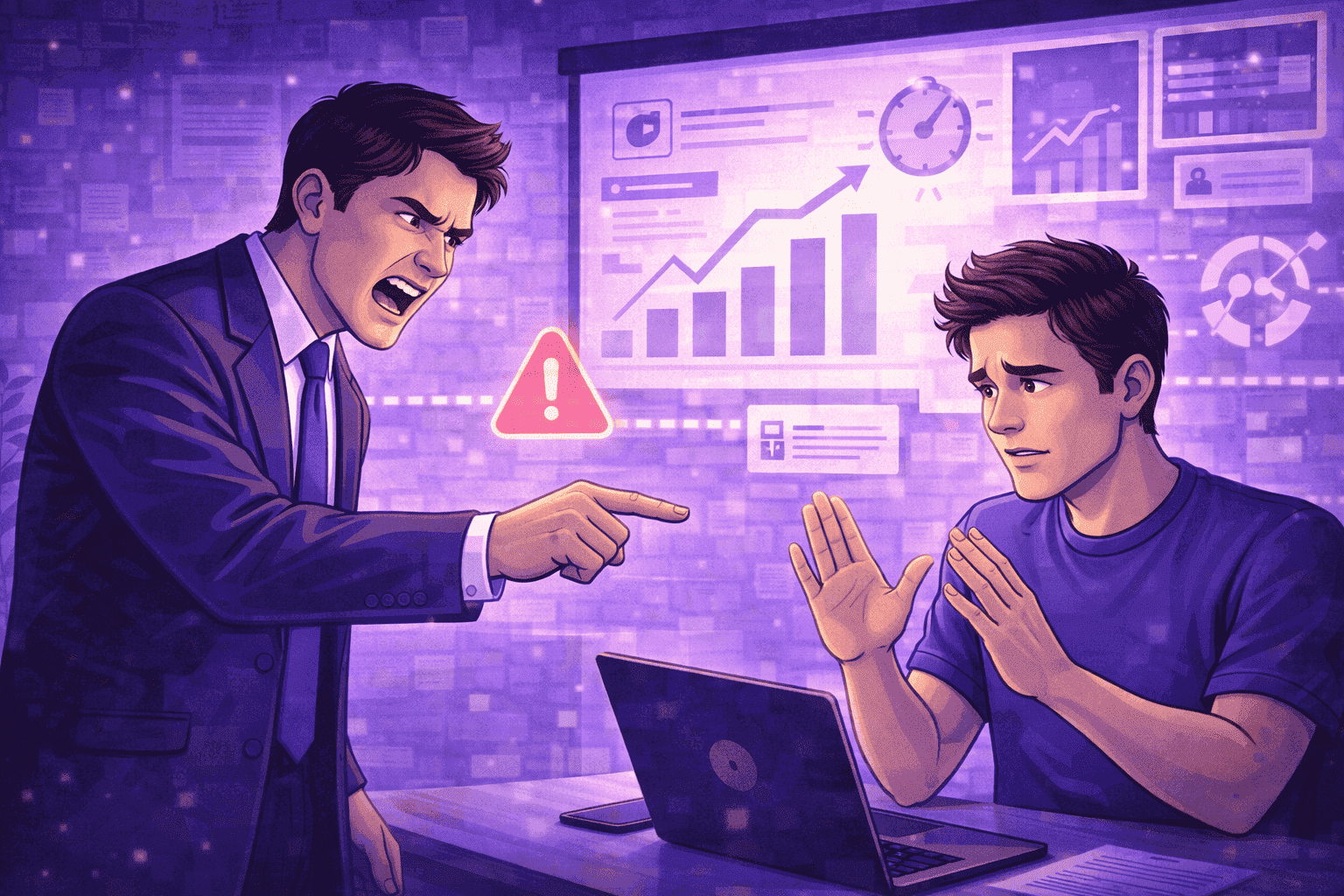
One of the earliest signs employees notice is a shift in how feedback and management decisions are made. When managers suddenly reference detailed activity patterns, exact timestamps, or unusually specific workflow observations, employees start connecting the dots.
Common behavioral indicators include:
Employees becoming more cautious in digital communication
Increased self-correction or over-explaining work
Reduced experimentation or risk-taking
A rise in “always online” behavior
Research on workplace monitoring shows that when employees feel observed without clear context, productivity may increase briefly — but stress and disengagement often follow. Employees don’t need to see a tracking tool directly to sense it; patterns in feedback timing and specificity are usually enough.
Important context: these reactions don’t necessarily mean monitoring is harmful. They usually mean expectations and purpose haven’t been clearly communicated.
Technology clues employees quickly notice
Even without formal announcements, technology leaves traces. Employees often detect monitoring through small but telling system changes.
Typical technology-related signs include:
New permissions requested by workplace apps
Software running persistently in the background
Sudden visibility into app, website, or time usage
System slowdowns or new status indicators
Remote and hybrid employees are especially sensitive to these changes because their work already relies heavily on digital tools. When new software appears without explanation, employees tend to assume worst-case scenarios — even if the intent is benign, such as workload analysis or security.
What many companies miss: employees are generally less concerned about what is tracked than why it’s tracked and how the data is used.
Communication patterns reveal more than dashboards
Another major sign is a change in management communication style. When monitoring data enters the picture, conversations often become more metric-driven — even unintentionally.
Employees notice when:
Questions shift from outcomes to activity details
Managers reference patterns employees didn’t report
Check-ins feel more corrective than supportive
Meetings focus heavily on utilization or time breakdowns
This doesn’t mean leaders should avoid data. It means data should support coaching, not replace dialogue. Studies on performance management consistently show that employees respond better when monitoring insights are used to remove blockers, rebalance workload, or clarify priorities — rather than to “catch” issues.
Cultural signals make monitoring obvious
Workplace culture amplifies or softens the perception of monitoring. In high-trust environments, employees are less likely to interpret tracking as surveillance. In low-trust cultures, even basic metrics feel invasive.
Clear cultural warning signs include:
Employees asking indirect questions about tracking
Jokes or comments about “being watched”
Resistance to new tools without clear reasons
Increased concern about fairness or favoritism
These signs usually appear before formal complaints. Leaders who pay attention early can adjust messaging, policies, and tool configuration to avoid long-term trust damage.

Transparency determines whether signs become problems
Employees almost always know — or strongly suspect — when monitoring exists. The difference between acceptance and resistance comes down to transparency and intent.
Best practices that reduce negative reactions:
Explain what is monitored and what isn’t
Share how data supports performance, not punishment
Focus on trends, not individual micromanagement
Use privacy safeguards and clear data boundaries
Modern monitoring platforms that emphasize productivity signals, configurable classifications, and privacy protections (such as blurred screenshots or aggregated views) tend to be better received because they align monitoring with improvement — not control.
Quick Takeaways
Employees can usually tell they’re being monitored through behavioral and system changes.
Technology clues and communication shifts are the most common signs.
Monitoring without context increases stress and disengagement.
Transparency and purpose matter more than the monitoring itself.
Ethical, productivity-focused monitoring supports trust and performance.
Conclusion
Monitoring at work isn’t invisible — and it shouldn’t try to be. Employees notice the signs quickly, whether through technology, management behavior, or cultural shifts. Organizations that acknowledge this reality and communicate clearly are far more likely to turn monitoring into a productivity asset instead of a trust liability.
When monitoring supports clarity, fairness, and better workload decisions, employees don’t just accept it — they often appreciate it.



Try OrbityTrack for 7 Days!
Boost Productivity.
Turn data into results.
Gain full visibility over your team.
Start Your Free Trial