Remote Experience That Improves Productivity
Lauren Mitchell

Introduction
A strong remote experience is not created by simply allowing people to work from home. It depends on communication, trust, visibility, the right tools, and a culture that helps employees stay productive without feeling isolated or micromanaged.
For business owners, HR managers, and operations leaders, the challenge is clear: remote work offers flexibility, but it also creates new risks around engagement, accountability, collaboration, and performance visibility.
This article explains how to build a remote experience that supports productivity, strengthens trust, and helps distributed teams work with more clarity.
Why Remote Experience Matters
Remote work changed how teams communicate, collaborate, and measure performance. Employees may enjoy flexibility, but they can also face loneliness, unclear expectations, meeting overload, and weaker connection with coworkers.
That is why remote experience matters. It includes everything an employee feels while working away from the office: onboarding, communication, technology, productivity expectations, management style, and team culture.
A weak remote experience often creates hidden problems. Employees may be online but disconnected. They may attend many meetings but still lack clarity. They may appear active but feel overwhelmed.
Remote experience is an operating system
Many companies treat remote work as a location choice. A better way to see it is as an operating system for work. It needs rules, tools, rituals, and feedback loops.
When the remote experience is designed intentionally, employees know what is expected, where to find information, how performance is measured, and when they can focus without interruptions.

Build Clarity Through Communication
Communication is one of the biggest drivers of remote employee experience. Without hallway conversations or quick desk check-ins, teams need clear systems for sharing updates.
Leaders should define which channels are used for urgent messages, project updates, documentation, meetings, and informal communication. Otherwise, employees waste time searching for answers across chats, emails, and project tools.
Set expectations early
Remote employees need clarity around:
Working hours and availability
Response time expectations
Meeting rules
Project ownership
Productivity goals
Documentation standards
Performance measurement
This does not mean removing flexibility. It means giving flexibility a structure. When employees understand expectations, they can work independently without feeling disconnected.
The unique insight here is that remote productivity often fails because of unclear communication, not lack of effort.
Use Technology Without Micromanagement
Remote teams need technology to stay aligned. Project management tools, communication platforms, cloud documents, and productivity tracking software can all improve visibility.
However, tools should not create a surveillance culture. Employees should not feel that every click is being judged. The goal is to understand work patterns, not pressure people to look busy.
Productivity visibility should support coaching
A healthy productivity system can show:
Active and idle time trends
App and URL usage
Unproductive work patterns
Overloaded teams
Workflow bottlenecks
Focus time interruptions
Used correctly, this data helps managers ask better questions. For example, if a team spends too much time switching between tools, the solution may be process improvement, not employee criticism.
Remote experience improves when employees see productivity data as support, not punishment.
Strengthen Connection and Engagement
Remote employees can be productive and still feel disconnected. That is why engagement must be intentional.
Managers should create moments for feedback, recognition, team connection, and informal conversation. This can include weekly check-ins, async updates, virtual team rituals, peer recognition, or periodic in-person gatherings when possible.
Do not confuse independence with isolation
Some remote employees are highly independent, but that does not mean they do not need support. Leaders should check for signs of overload, loneliness, unclear priorities, or reduced motivation.
A strong remote experience gives employees autonomy while keeping them connected to the team’s purpose.
Recognition also matters. In remote environments, good work can become invisible. Managers should actively highlight wins, progress, and contributions.
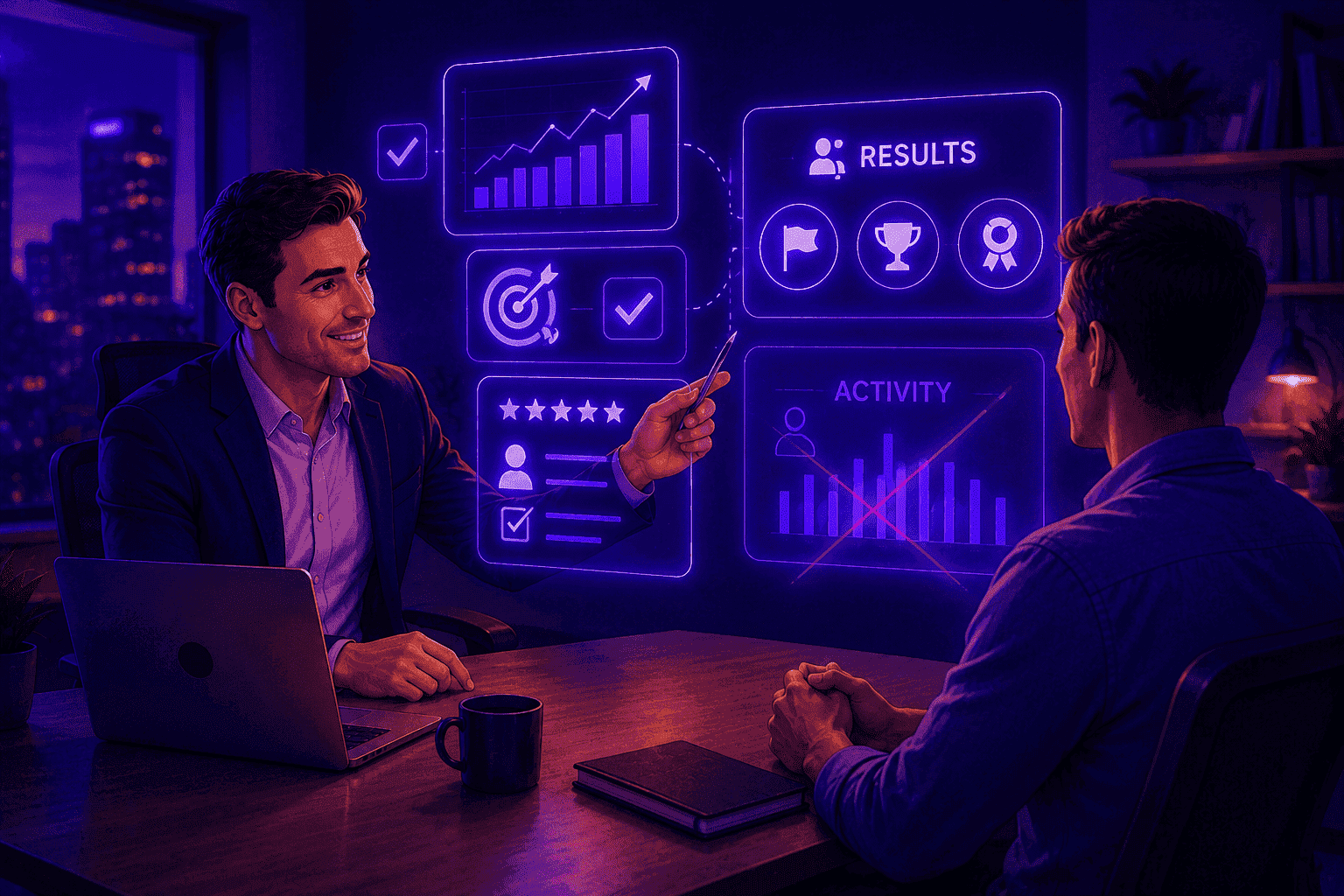
Measure Outcomes, Not Just Activity
Remote performance should not be measured only by online status or hours worked. Activity data can be useful, but it should be combined with outcomes, quality, deadlines, collaboration, and business impact.
The best remote leaders use data to understand patterns. They look at whether projects are moving, teams are balanced, and employees have the tools they need.
Combine visibility with trust
A balanced approach includes:
Clear goals
Transparent productivity data
Regular feedback
Respect for focus time
Fair workload distribution
Outcome-based performance reviews
This creates accountability without micromanagement.
Quick Takeaways
A good remote experience depends on structure, not just flexibility.
Clear communication reduces confusion and improves alignment.
Productivity tools should support visibility without micromanagement.
Remote employees need connection, feedback, and recognition.
Managers should focus on outcomes, not constant online presence.
Data can reveal workflow problems and workload imbalance.
The best remote teams combine autonomy with accountability.
Conclusion
A great remote experience does not happen by accident. It requires clear communication, useful technology, strong management habits, and a culture that balances autonomy with accountability.
For business owners, HR leaders, and operations managers, the goal is not to recreate the office online. The goal is to design a better way of working — one where employees have clarity, connection, and the visibility needed to perform at their best.


Try OrbityTrack for 7 Days!
Boost Productivity.
Turn data into results.
Gain full visibility over your team.
Start Your Free Trial