Productivity Tracking on Employees: Pros & Cons
Adam Brooks

Introduction
Introducing productivity tracking on employees can feel like wielding a powerful tool — and a potential risk. On one hand, data-driven insights into how work gets done promise efficiency gains, better workflows, and stronger accountability. On the other, this very same approach can erode trust, elevate stress levels, and create a surveillance-culture rather than a high-performing one. For business owners, team leaders, HR and operations managers focused on productivity optimization, the key is clear: navigate the pros and cons of productivity tracking to make it serve your workforce — not undermine it. In this article we’ll examine the benefits, dig into the drawbacks, and highlight best-practice frameworks so you can implement productivity tracking in a way that supports performance and keeps your team engaged.
The Benefits of Productivity Tracking

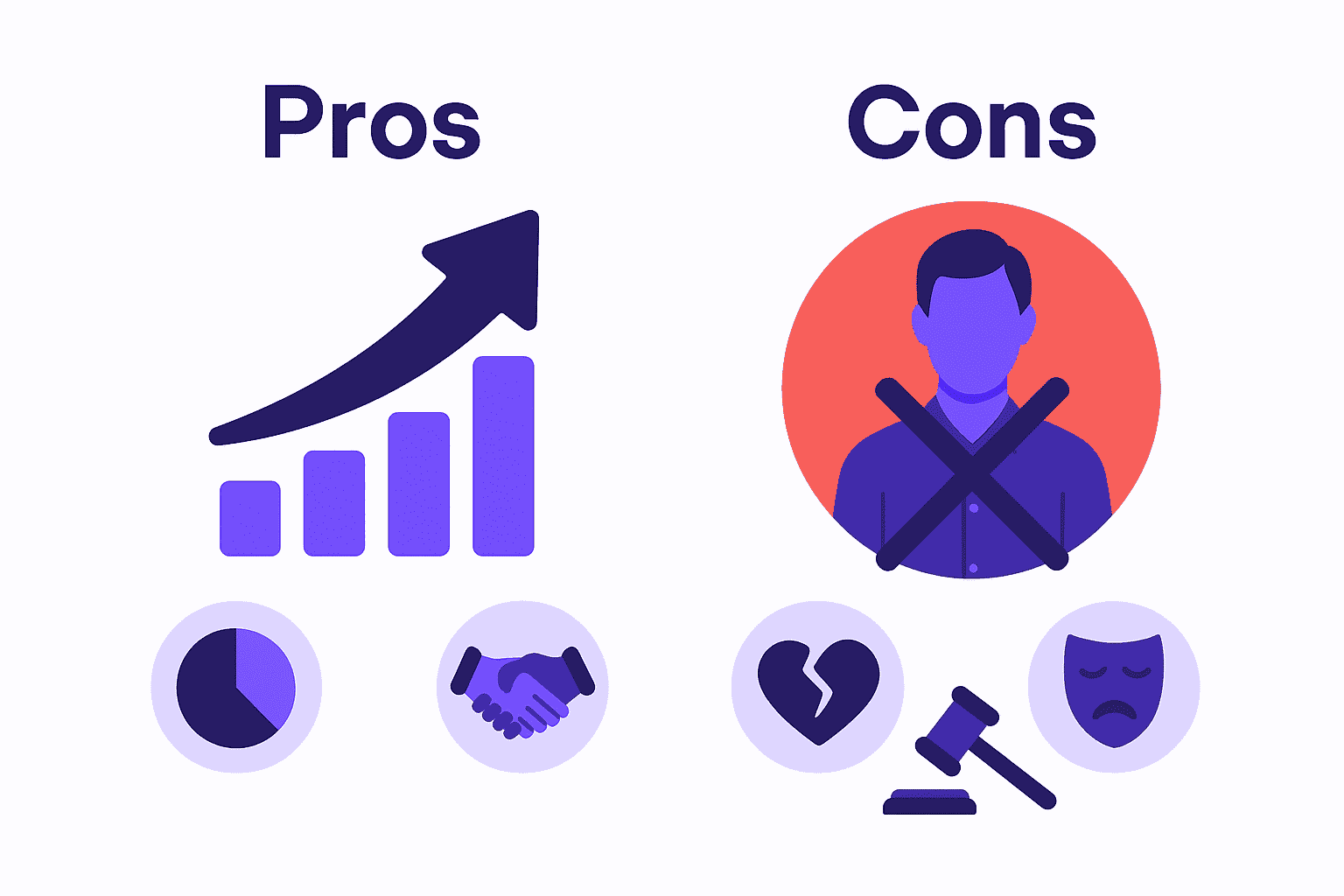
When done thoughtfully, implementing employee productivity tracking tools delivers several meaningful advantages. First, it provides clear, objective metrics that drive better decisions. For example, time-tracking and activity-monitoring systems can highlight areas in which tasks are delayed or resources misallocated. One research note explains that monitoring systems “let workers get credit for the work they’ve done,” especially in hybrid or remote contexts where visibility is lower.
From a business perspective, tracking productivity helps with accountability and transparency. When team members know what is expected — and you have the data to back it up — you can shift conversations toward outcomes and support. For instance, firms using productivity-tracking found they could more accurately allocate resources and identify process bottlenecks. Productivity tracking can empower overlooked employees by making their contributions visible. When your system surfaces previously hidden efforts — such as behind-the-scenes collaboration or asynchronous work — it becomes less about oversight and more about recognition.
In addition to individual visibility, tracking supports business efficiency: you can compare a before/after picture (what tasks took how long), tweak workflows, and measure improvements. That means productivity tracking transforms from mere monitoring into workforce optimization.
The Risks and Drawbacks of Productivity Tracking
Despite its promise, productivity tracking on employees carries real risks — especially when implemented without care. A major pitfall is trust erosion. Studies show that excessive or secretive monitoring leads to lower morale and disengagement. When employees feel like they’re under constant scrutiny rather than trusted to deliver, creativity suffers and turnover rises.
Legal and ethical concerns also loom large. Tracking tools may collect personal or sensitive data, especially in hybrid or remote settings. One policy review notes risks around privacy laws, consent and transparency. Additionally, metrics can mislead. When you focus on keystrokes or application use without context, you risk equating busyness with value. For example, monitoring tools that penalize idle time may discourage beneficial breaks or creative thinking.
If your productivity-tracking tool doesn’t include a mechanism for context and coaching, you’ve set yourself up for failure. The worst case: you create “productivity theatre” where employees simulate busyness rather than deliver value.
Best Practices for Implementing Productivity Tracking
To harness the benefits and mitigate the risks of productivity tracking, follow these actionable steps:
Start with outcomes, not hours
Define metrics around deliverables — tasks completed, quality of work, time to resolution — rather than simply hours logged or apps used.
Be transparent and involve your team
Explain why you’re introducing tracking, what will be collected, and how you will use the data. Invite employees to define what productivity looks like and what metrics should matter.
Use data for coaching, not punishment
Turn insights into conversations: “I noticed task completion dipped last week—what got in the way?” rather than “Why did you log fewer hours?” This shift promotes development rather than fear.
Review, refine and retire metrics
Every metric should earn its place. If after six months a metric isn’t positively influencing behavior or outcomes, retire it. Oversight strategies should evolve with your workforce — not stagnate.
Consider a “sunset clause” for metrics — commit at the outset to review every metric’s relevance after a defined period (e.g., six months). This prevents your tracking system from becoming rigid or punitive over time.
Quick Takeaways
Productivity tracking can deliver visibility, accountability, and optimization, when aligned to outcomes.
Poor implementation risks trust erosion, privacy exposures, and false metrics.
Align tracking with deliverables, not just hours or clicks.
Transparency, employee involvement and coaching can transform tracking into support.
Regular review ensures your system evolves with your business and workforce.
Conclusion
When you introduce productivity tracking on employees, the how matters just as much as the what. With the right mindset, tools, and culture, tracking becomes a lever for performance and engagement rather than surveillance and disengagement.



Try OrbityTrack for 7 Days!
Boost Productivity.
Turn data into results.
Gain full visibility over your team.
Start Your Free Trial