Overcoming Home Distractions to Boost Productivity
Lauren Mitchell
Introduction
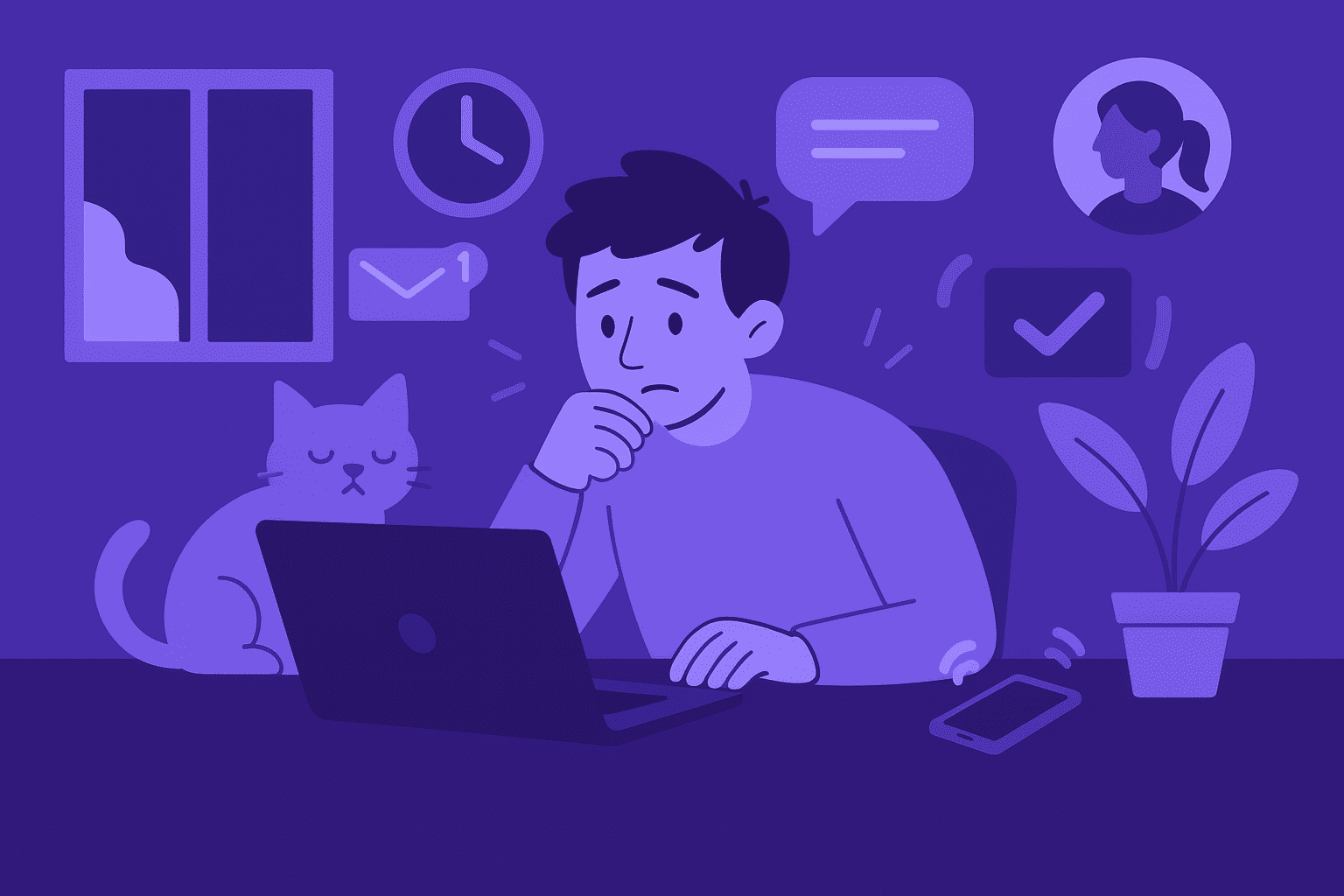
Working from home offers undeniable flexibility — but with it comes a unique set of distractions. From family demands and pets to digital interruptions and household chores, many professionals find their focus derailed. If you’re striving for productivity optimization, understanding how to identify and counter those home distractions is key. In this article, we’ll explore how to recognize your confusion triggers, design a workspace built for focus, lock in routines that limit interruptive habits, and sustain high-performance in a home environment.
Why Home Distractions Matter
When your living room becomes your office, the lines between personal and professional blur — and that usually introduces more opportunity for interruptions. Studies show remote workers can face digital distraction (like emails or social media) more intensely at home than in the office.
One research group found that roughly 30-40% of remote professionals reported managing distractions at home as a major challenge.
For example, one poll showed that home workers cited kids (33.8 %), pets (18.1 %) and partners (16 %) as distraction sources.
These disruptions matter: when attention is lost, it can take up to 23 minutes to fully refocus.
In the context of high-stakes work for team leaders or operations managers, those lost minutes accumulate into missed deadlines, greater stress and lower quality. Recognizing this is the first step toward reclaiming control.
Identifying Your Personal Distraction Triggers
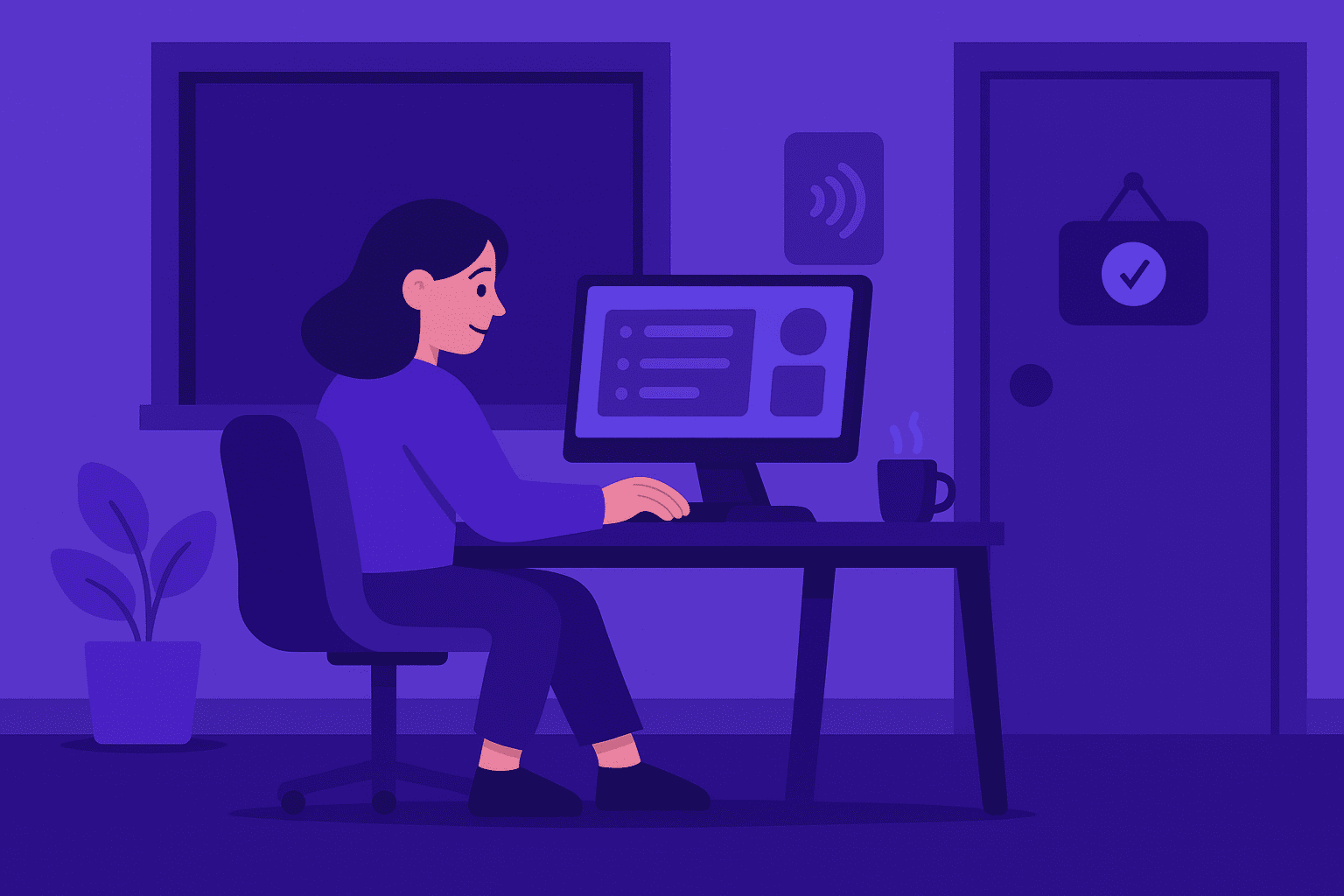
To manage distractions effectively, you’ve got to map your personal landscape. Start by scanning your workspace: is your home office tucked into a high-traffic corridor? Is household sound-bleed (TV, pets, children) interrupting deep work zones? Research into home-work environments shows that physical space and boundary clarity correlate strongly with distraction rates.
Next, track your digital interruption patterns for a week. How often are you pulled away by notifications, social media, chat pings or personal tasks? Data indicates that remote workers still struggle with the mental toll of switching contexts.
Finally, don’t ignore the invisible triggers: subconscious task switching, internal “what-if” thinking, and unplanned household demands. One recent survey found that over 59 % of participants couldn't go a full hour without being distracted.
Once you’ve identified your triggers, you can build targeted counter-measures that map directly to where your attention leaks.
Designing Your Home Workspace for Focus
A thoughtful workspace setup goes beyond a clean desk — it’s about creating conditions where your attention is protected. Here are three critical dimensions:
Physical Setup & Ergonomics: Limit foot traffic in your work zone. If possible, use a door, partition or visual signal to signify-focus time. Ensuring your workspace is ergonomically sound removes friction and reduces the likelihood of micro-breaks for comfort.
Digital Hygiene & Notification Control: Silence non-urgent alerts, set dedicated email/chat check-in windows, and consider “Do Not Disturb” modes during deep-work blocks. With less context switching, you’ll minimize downtime caused by lost focus.
Boundary Scheduling & Home/Work Separation: Clearly schedule work time and non-work time — share that schedule with your household to avoid surprise interruptions. This aligns with data showing self-control improves remote-work productivity when structure is present.
By optimizing your environment along these axes, you’ll make it easier to slip into high-productivity states instead of constantly recovering from distraction.
Establishing Habits & Routines That Limit Distraction
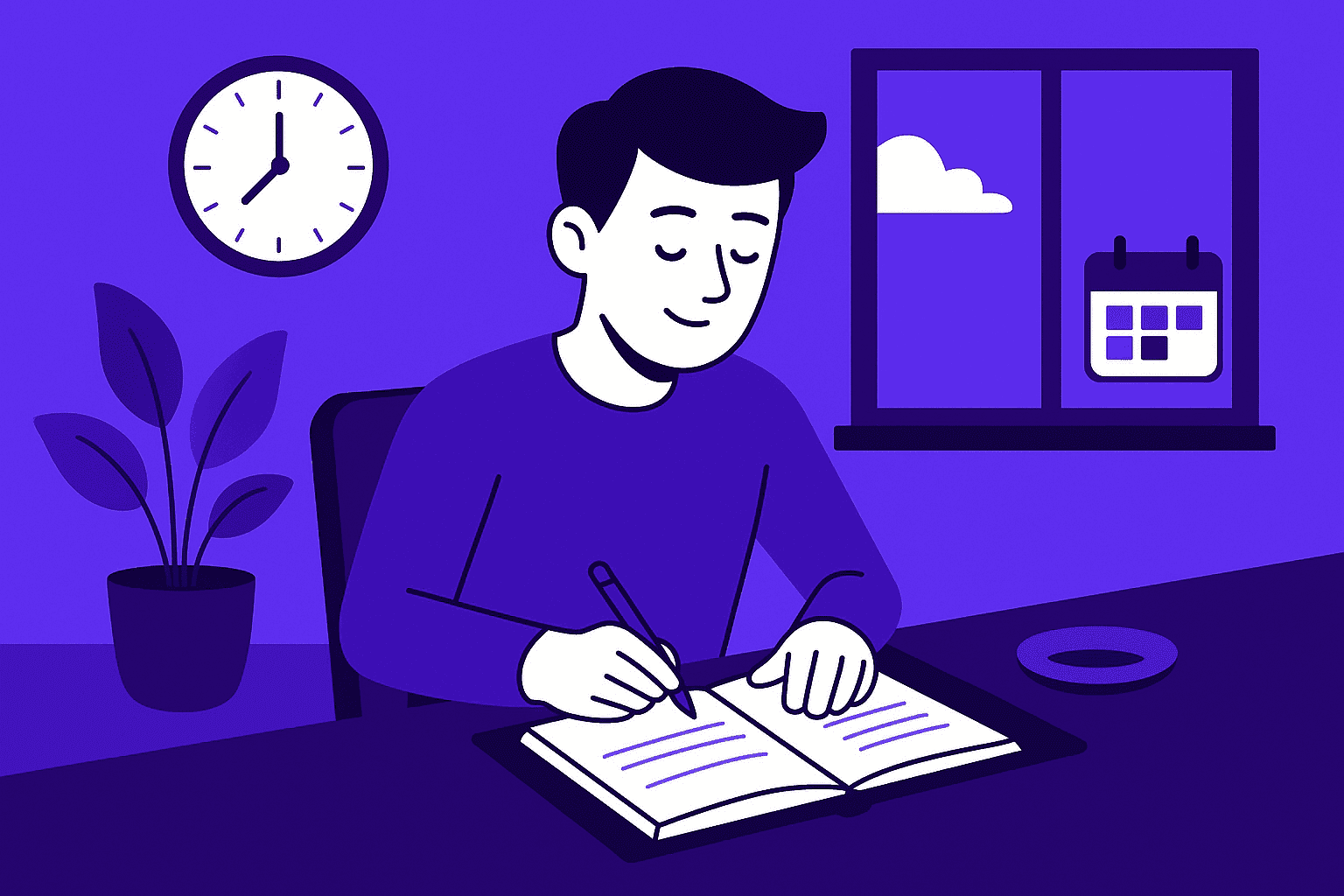
Effective routines are your behavioral armor against distraction.
Time-Blocking & Protected Deep-Work Windows: Block 60-90 minute segments for focus tasks, mark them as unavailable, and stick to them. Research shows that uninterrupted blocks boost output significantly.
Micro-Breaks & Energy Management: Schedule brief pauses—stand, stretch, shift scenery. These aren’t lost productivity — they’re recovery that sustains focus long-term.
Communication Norms for Home Office Households: Define expectations with family/housemates: when you are “on”, you are focused; when you are “off”, you are available. This clarity reduces unexpected interruptions.
One muted issue that rarely gets discussed: the need for transition rituals (walk around the house, make a coffee, review calendar) to mentally shift into “work mode” and shield yourself from home-mode distractions. Designing routines like these helps reinforce the mindset separation between work and personal tasks.
Over time, these habits will make distraction less an accident and more a manageable factor.
Sustaining Focus and Adapting Over Time
Working from home isn’t a static state — the environment, personal responsibilities and tools will evolve. Here’s how to stay ahead:
Track & Review Distraction Patterns: Monthly check-ins on where your time leaked, where focus held, and what needs adjusting. As one study notes, longitudinal tracking helps individuals navigate remote work performance over time.
Adapt When Home Dynamics Change: Whether it’s a pet, child timetable, or broadband upgrade—factor those changes into your scheduling and home-office design.
Embed a Culture of Focus in Yourself: View your time as an asset, not just a resource. Encourage yourself to prioritize, guard your blocks and say “no” when necessary.
When you treat your home-work setup as a dynamic system — rather than a static arrangement — you’ll maintain higher performance far beyond the initial adaptation phase.
Quick Takeaways
Home distractions are real and can cost up to 23 minutes per interruption to regain focus.
Identifying your own distraction triggers — physical, digital and behavioral — empowers you to take targeted action.
A workspace designed for focus includes layout, digital hygiene and clear boundaries.
Routines, time-blocking and energy-management habits reduce the likelihood of distraction.
Regular reviews and adaptability ensure your home-working system stays optimized as conditions change.
Conclusion
Distractions at home don’t have to be a constant battle. By recognizing where your attention drifts, designing an environment that supports focus, committing to disciplined routines, and regularly adapting with your real-life changes, you can reclaim control of your time. For professionals interested in productivity optimization, the true advantage lies not just in working from home, but in working well from home — where fewer distractions mean more depth, value and impact.

Try OrbityTrack for 7 Days!
Boost Productivity.
Turn data into results.
Gain full visibility over your team.
Start Your Free Trial