Gen Z at Work: What Drives Performance
Daichi Yamamoto
Feb 16, 2026
Introduction
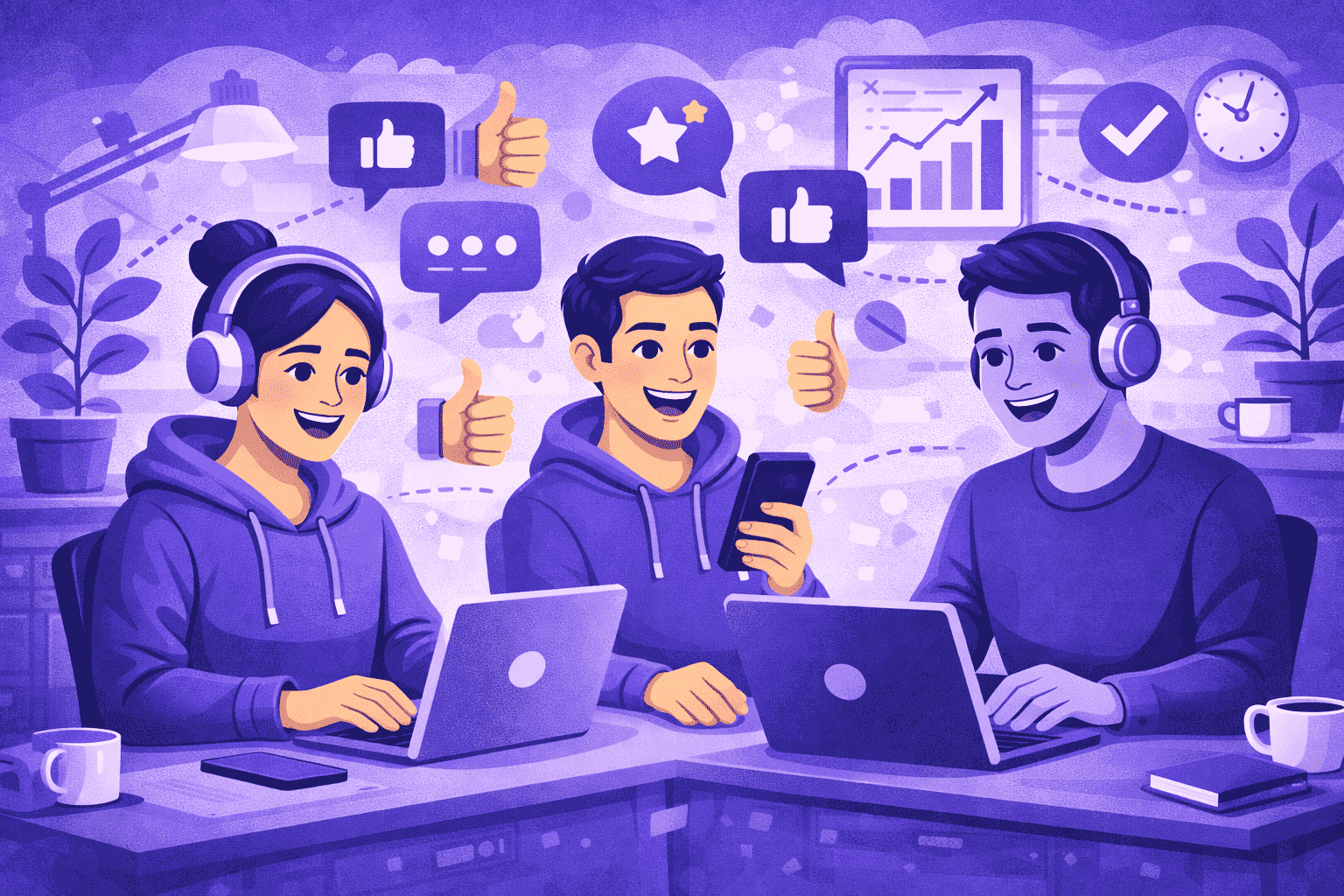
Gen Z is no longer “the next generation” of talent — they’re already shaping how teams communicate, collaborate, and measure progress. For leaders focused on productivity optimization, the challenge is straightforward: create conditions where Gen Z can perform at a high level without triggering burnout, disengagement, or constant context-switching. This article breaks down what Gen Z tends to value at work, the biggest productivity friction points (including distractions), and a practical management playbook for building focus, accountability, and trust across a multi-generational workforce.
1) What Gen Z tends to expect from work
Gen Z entered the workforce during a period defined by remote/hybrid work, economic uncertainty, and always-on digital tools. As a result, many Gen Z employees respond best to workplaces that offer clarity, speed, and visible growth — not vague standards or “figure it out” management.
Clear goals beat vague effort
Gen Z performance improves when success is measurable and concrete: what “good” looks like, when it’s due, and how it’s evaluated. Teams that document expectations reduce rework and lower the temptation for “busywork” (activity that looks productive but isn’t).
Frequent feedback (without constant pressure)
Many Gen Z employees prefer shorter feedback loops—quick check-ins that remove blockers early instead of saving everything for quarterly reviews. The most effective pattern is simple: focus feedback on outcomes, obstacles, and next steps—not minute-by-minute activity.
Growth and skill-building are productivity multipliers
Development isn’t just a retention strategy — it’s a productivity strategy. When employees understand how today’s work connects to tomorrow’s skills, motivation and focus improve. Research-based workplace guidance consistently emphasizes manager support, learning, and well-being as major engagement levers.
2) The real productivity blockers: distractions, overload, and digital noise
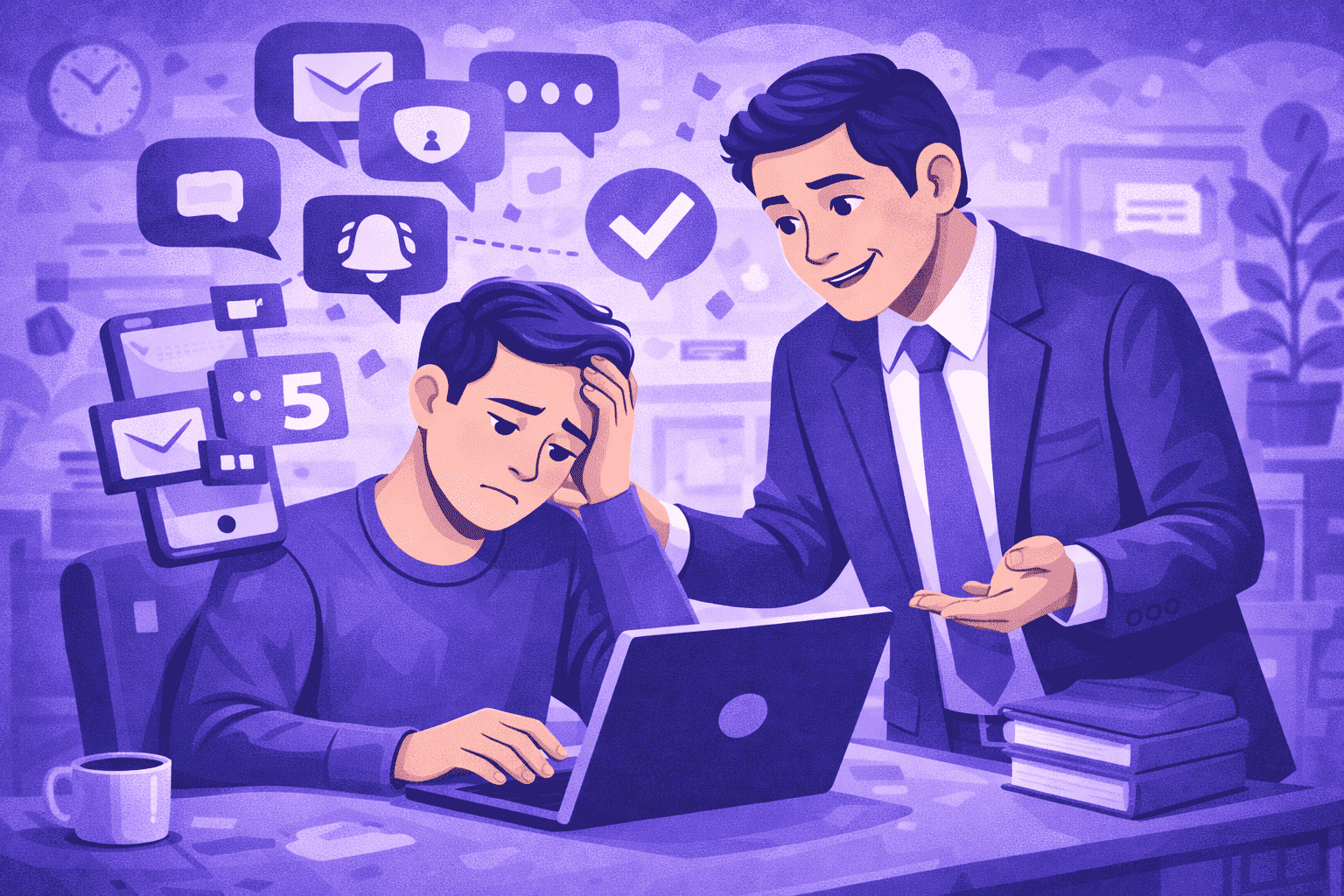
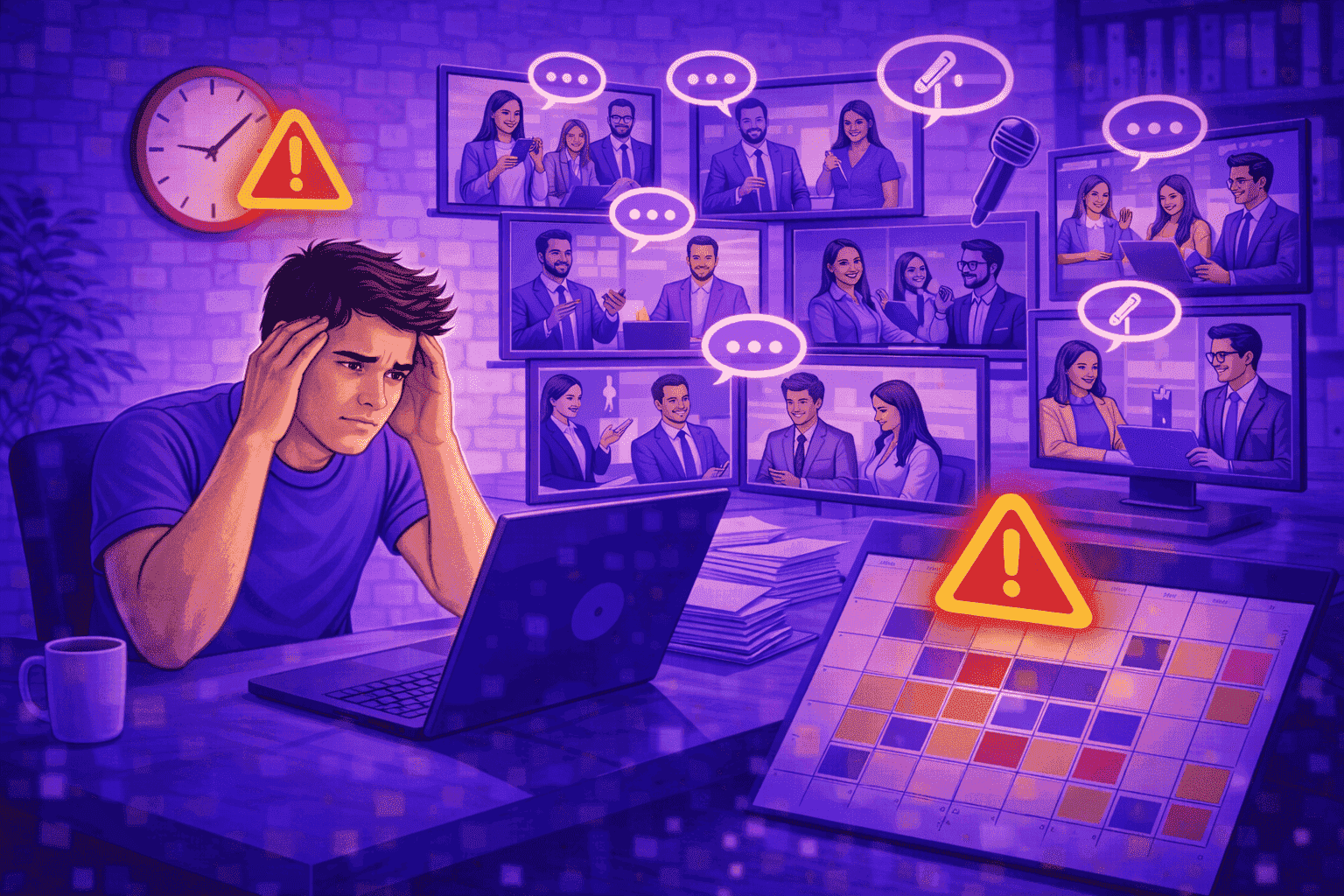
When leaders ask “why productivity dips,” the answer often isn’t laziness — it’s fragmentation.
Context switching is the hidden tax
Modern work is packed with interruptions: chat messages, notifications, meetings, and rapid task handoffs. For Gen Z — who often work across multiple apps and channels — this can create a constant “attention reset” cycle that reduces deep work time.
Work overload increases shortcut behavior
When workload pressure rises, people rely on survival tactics: rushing, multitasking, skipping documentation, and prioritizing what’s visible over what’s valuable. Reports on modern work patterns highlight the role of overload and digital “debt” (too much to process, too little time) in pushing workers toward coping strategies — including heavier tool reliance.
Digital distractions aren’t only social media
Distractions include excessive meetings, unclear priorities, repeated rework, “urgent” pings, and tasks that feel disconnected from results. The practical fix is not stricter surveillance — it’s better systems: fewer priorities, clearer ownership, and stronger async norms.
3) A management playbook that improves Gen Z performance
The goal isn’t to create “Gen Z rules.” It’s to design a high-clarity environment where Gen Z (and everyone else) can execute.
Set a “definition of done” for recurring work
For common deliverables (support tickets, reports, design drafts, sprint tasks), define:
quality standards
turnaround time expectations
what gets escalated vs. handled independently
This reduces confusion, lowers back-and-forth, and prevents distraction-driven rework.
Use a coaching-style check-in cadence
Replace “Are you active?” with questions like:
What’s the #1 deliverable this week?
What’s blocking progress right now?
What would make this faster or easier next time?
This keeps accountability high while protecting trust and autonomy — an approach commonly recommended in modern remote and performance guidance.
Make focus normal (not a perk)
Practical policies that help:
meeting-free blocks (team-wide)
async-first updates (short written status)
response-time expectations by channel (so everything isn’t urgent)
Use metrics that reward outcomes, not “being online”
If measurement exists, keep it aligned to value:
cycle time (start → done)
throughput (completed work per week)
quality signals (rework rate, customer satisfaction, defects)
collaboration health (handoff clarity, blocker resolution time)
To support this outcome-based approach, many organizations benefit from using a lightweight performance monitoring system that helps leaders understand how work actually happens. When designed correctly, these systems don’t focus on surveillance — they provide visibility into activity patterns, focus time, workload distribution, and productivity trends.
For Gen Z teams in particular, this kind of monitoring works best when it is transparent, privacy-conscious, and centered on improvement. By analyzing signals such as active time, idle periods, and task distribution—without recording sensitive content — companies can identify friction, overload, or distraction early and adjust expectations, workflows, or support. Used this way, performance monitoring becomes a diagnostic tool that helps teams work smarter, protects focus, and reinforces trust rather than undermining it.
4) Building a Gen Z-ready culture without splitting the team
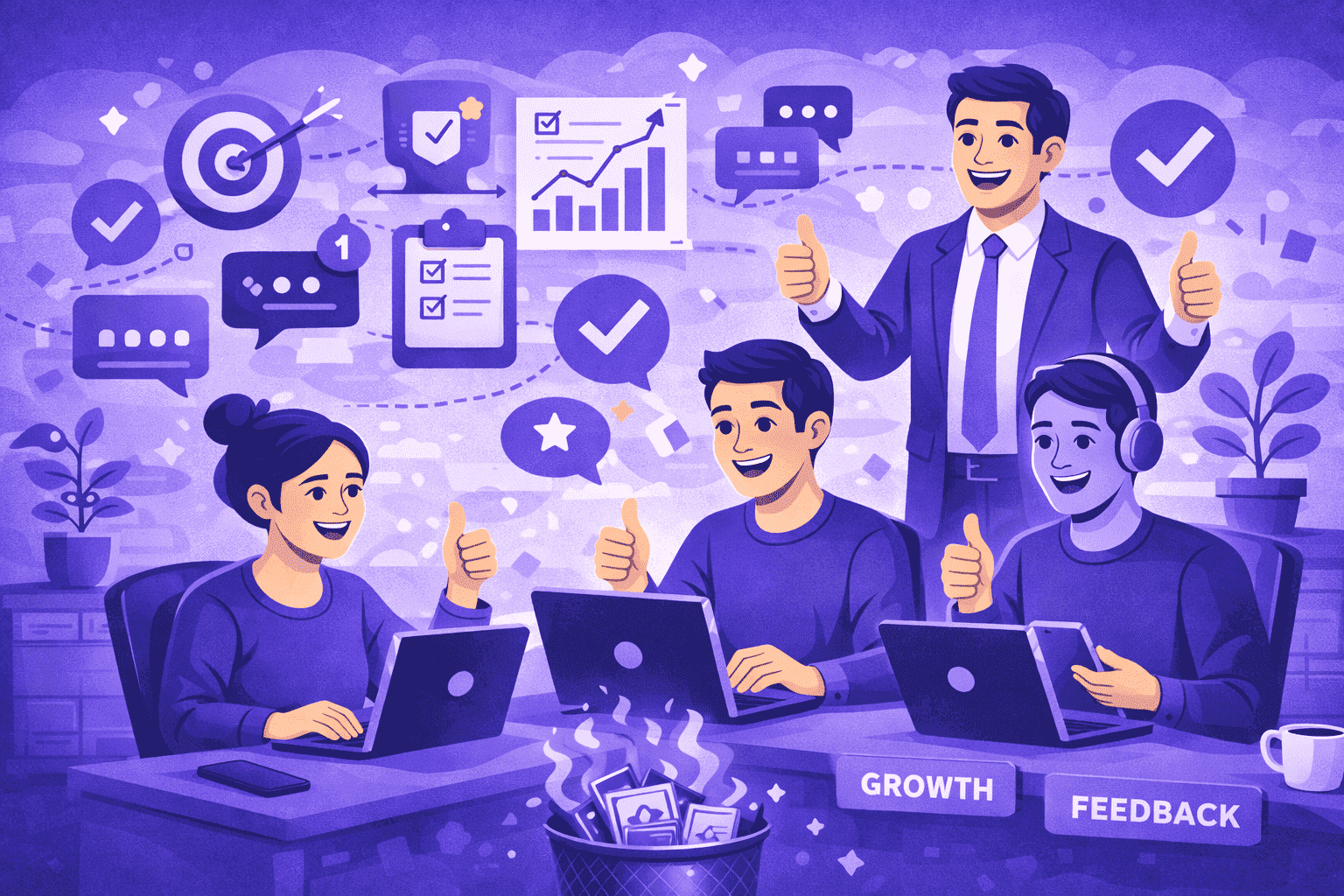
A productivity culture only works if it feels fair across generations.
Standardize the system, personalize the support
Use one shared operating system (goals, ownership, workflows), then tailor support by person: some need more feedback frequency, others need more autonomy.
Normalize transparency around workload
When overload is visible, it can be managed. Encourage teams to surface:
what’s in progress
what’s blocked
what’s deprioritized
This reduces silent burnout and lowers distraction-driven chaos. Workplace research and advisory content repeatedly connects well-being and clarity to sustained performance.
Treat AI and automation as focus tools
Gen Z adoption of productivity tools (including AI) is often driven by speed and workload pressure. Leaders can improve security and performance by standardizing approved tools, training use cases, and setting boundaries for sensitive data.
Quick Takeaways
Gen Z performance improves with clear goals, fast feedback loops, and visible growth paths.
The biggest productivity threats are often context switching, overload, and unclear priorities.
Coaching-style check-ins drive results better than pressure-based oversight.
Focus-friendly norms (async updates, meeting discipline) reduce distractions for everyone.
Outcome metrics (cycle time, throughput, quality) outperform “presence” metrics.
A shared system + personalized support keeps culture fair across generations.
Conclusion
Gen Z at work thrives in environments built for clarity: measurable outcomes, short feedback cycles, and focus-protecting workflows. The most effective leaders don’t manage “a generation” — they manage the system around the work. When priorities are clear, distractions are reduced, and growth is visible, Gen Z can deliver high performance without sacrificing well-being.


Try OrbityTrack for 7 Days!
Boost Productivity.
Turn data into results.
Gain full visibility over your team.
Start Your Free Trial